Iranian Cow Embryos Exported to Africa
3 min read
1,091
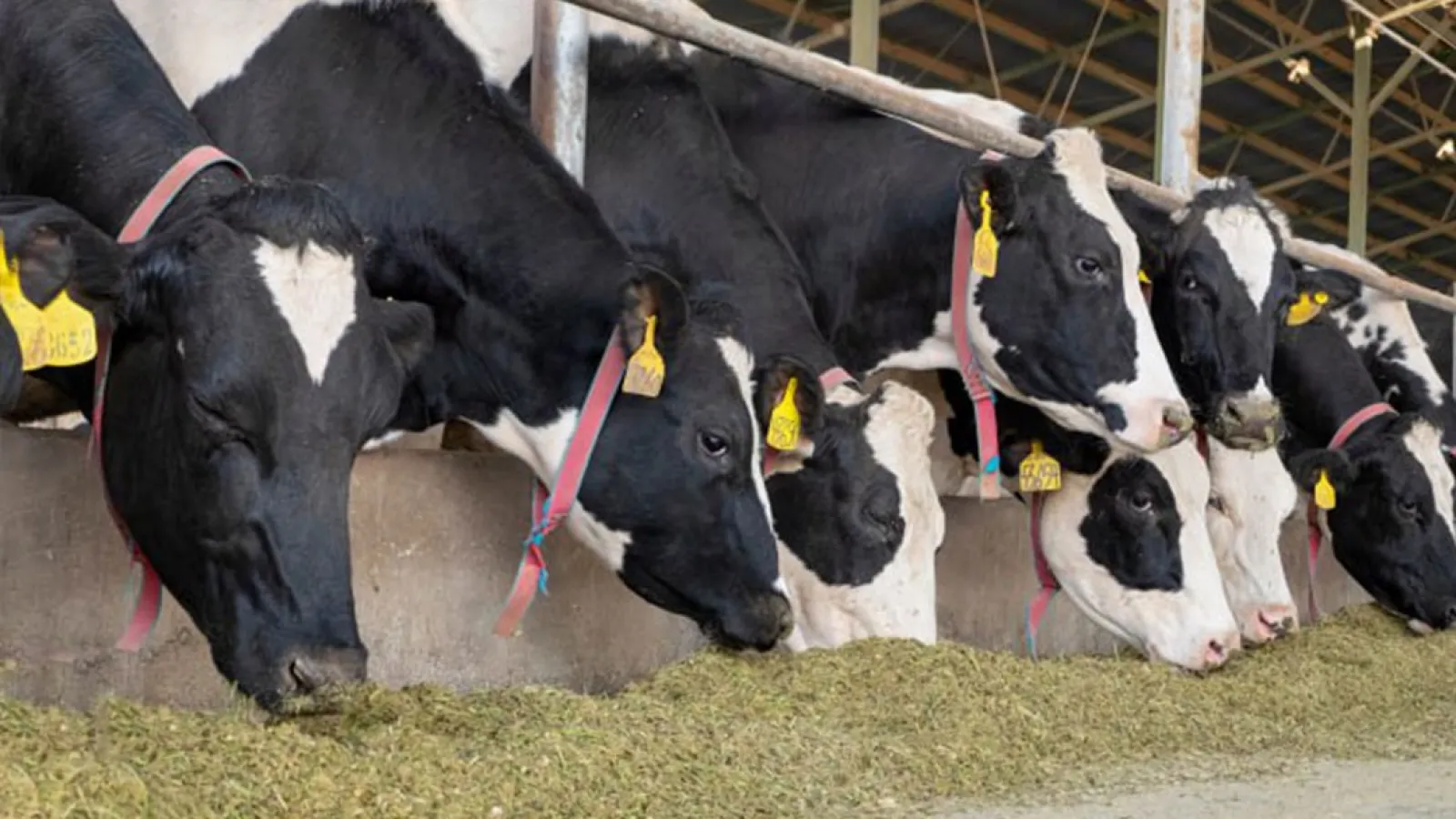
The Minister of Agriculture announced the opening of chicken and heifer meat export routes, stating that Iran now exports cow embryos to Africa.
According to ISNA, Gholamreza Noori Qazaljeh, speaking at the second specialized exhibition of livestock, poultry, and dairy industries, expressed gratitude to producers, specialists, and stakeholders in the agricultural and food security chain. He noted that despite the challenging conditions caused by war, stakeholders in this sector have made extensive efforts to maintain production. Over the past 14 months, special measures have been taken to preserve production despite existing limitations and challenges. The majority of the pressure from these conditions fell on producers, but they ensured that the supply of essential goods for the people was not disrupted.
He stated that during the recent two imposed wars, there was no shortage in the market for essential goods. Last year, the country faced unprecedented drought, two imposed wars, and an economic reform. Each of these factors could have impacted a country's food security, and issues such as the activation of the trigger mechanism also added to these conditions. With the cooperation of the people and the efforts of producers, the enemy's goals to disrupt the country's food security were not realized, and production in the livestock and poultry industry has reached a significant level.
Noori Qazaljeh referred to the change in the country's dairy sector, stating that Iran, which was previously an importer of dairy products, has now become an exporter of these products, and the development of new export routes in this area is on the agenda.
Regarding the demands of associations and the private sector, the Minister of Agriculture mentioned that stakeholders in this sector had raised issues such as the distribution of inputs, price controls, and export restrictions in previous years, most of which have been resolved. Producers can now import the raw materials they need, and this process is being conducted transparently.
Noori Qazaljeh pointed out the opening of export routes for certain products, adding that the export route for heifers and chicken meat has been opened, and today cow embryos are being exported from Iran to Africa, whereas a few years ago, we were importing cows by airplane to meet the country's needs.
He also emphasized the participation of stakeholders in the decision-making processes of the fourteenth government, stating that numerous meetings have been held with agricultural sector stakeholders in the past four to five months, and the process of collaboration and utilizing their viewpoints continues.
The Minister of Agriculture further highlighted the necessity of managing energy consumption, adding that in a recent meeting with the President, the role of the agricultural sector in ensuring food security for the people was emphasized. Alongside this sector's commitment to providing essential goods, it is a national duty for agriculture to contribute to reducing energy imbalance and saving energy to the best of its ability.
During this event, Mahdi Masoudi, head of the Agricultural Commission of the Cooperative Chamber, criticized the absence of some organizations related to the agricultural sector at this exhibition, stating that all sectors related to production and the agricultural chain are expected to have a more active presence in such events.
He added that some companies and institutions active in the field of animal feed and genetic reserves should play a more prominent role in supporting producers.
The head of the Agricultural Commission of the Cooperative Chamber expressed gratitude for the activities of livestock associations and the private sector, stating that many producers and associations are striving to develop agriculture and increase the country's production capacity despite existing challenges. Supporting the genuine stakeholders in this sector and utilizing the capacities of associations can create the groundwork for strengthening the country's production.
Tags:
Export News